[The Brief]
Titanus Museum was a large-scale multimedia museum experience created for a historical museum in San Marino. The project required a sequence of immersive rooms capable of narrating the history of Mount Titano and the Republic of San Marino through projection, animation, CGI and historical storytelling.
The challenge was enormous: this was not a single video, but a full museum experience built across multiple rooms, projection surfaces and narrative moments. The content had to be spectacular enough for an immersive installation, but also historically credible, because the story was connected to real places, real figures and the cultural identity of San Marino.
[The Strategy]
We approached the project as a hybrid production combining 3D animation, 2D animation, motion graphics, motion capture, modelling, texturing, compositing and large-format projection design.
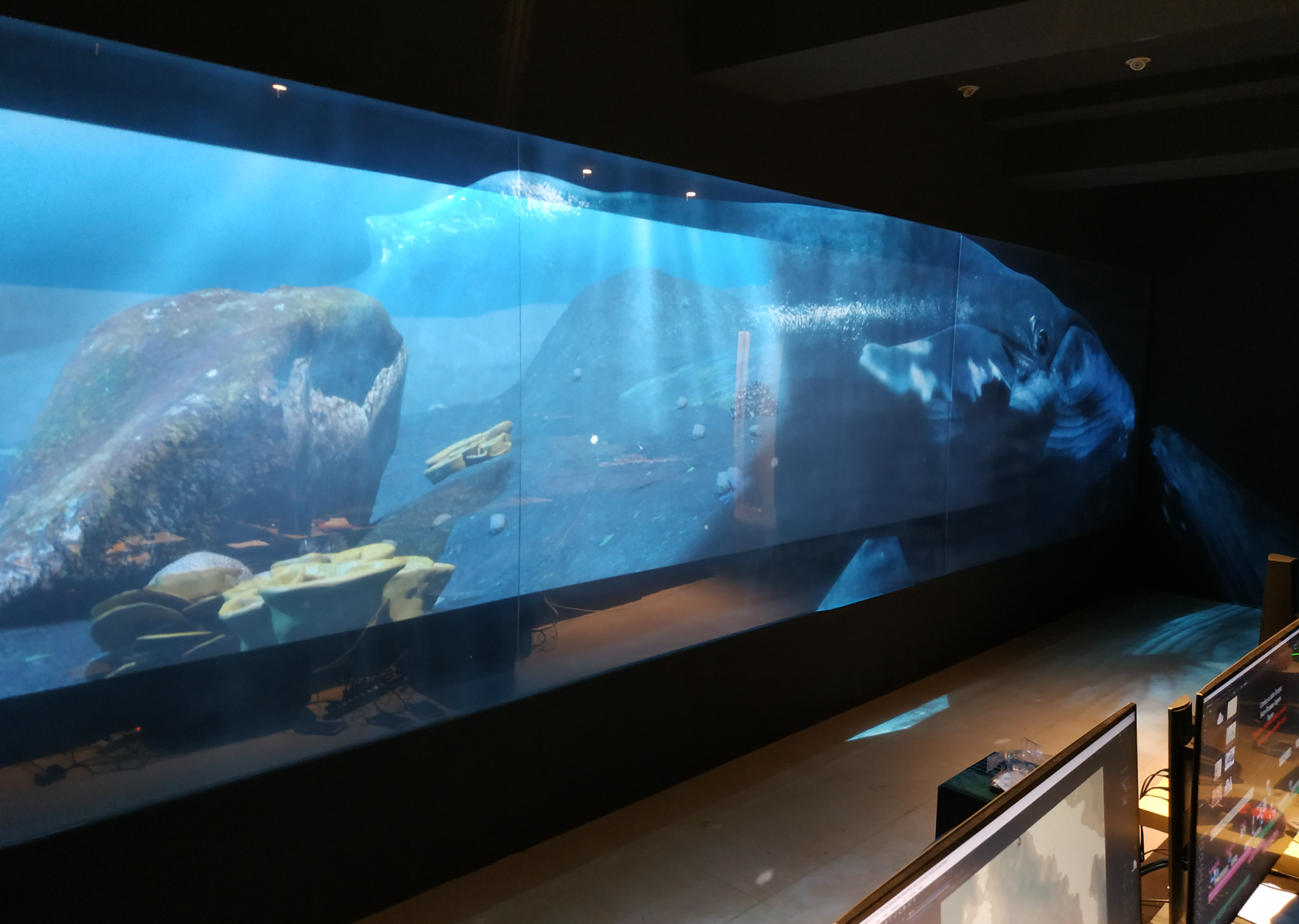
The experience was structured across three sequential rooms. The team worked on the first and last rooms, including a 2x8 metre double-depth projection screen powered by eight short-range projectors. The project was developed over 12 months and required around 8 TB of storage, showing the scale and technical weight of the production.
The visual work covered very different historical and cinematic needs: prehistoric underwater landscapes, Mount Titano emerging and eroding over millions of years, cave-painting inspired sequences, ancient Rimini, Dalmatia, and realistic historical characters. For Mount Titano, the production used a workflow based on Google Earth reference, photogrammetry, sculpting, retopology, displacement and normal maps, creating multiple versions of the mountain to animate its transformation through time.
Another major challenge was narrative accuracy. The museum content could not be purely decorative: every animation had to support a believable historical reconstruction. This meant working with reference, storyboards, voice-over timing and a strong sense of educational clarity, balancing cinematic impact with the need for faithful storytelling.
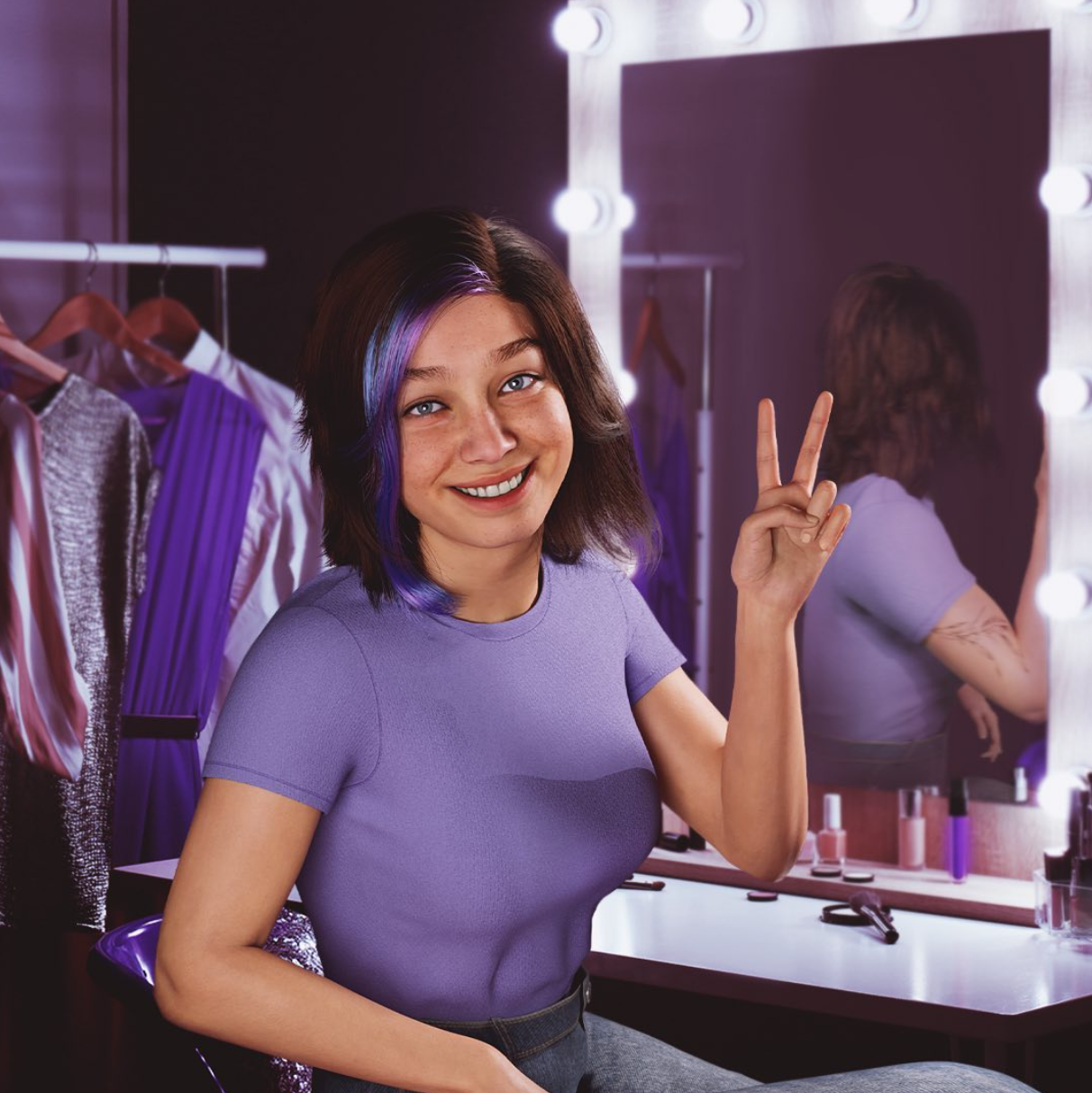
For the final room, the production used Rokoko motion capture for body and face performance to animate three realistic historical characters: Napoleon, Garibaldi and Santo Marino, the founder of San Marino. The characters were then rigged, animated, simulated, lit, rendered and composited into the museum experience. Antonio Buiano worked as Art Director and was responsible for modelling and texturing the three characters, including blend shapes.
[The Outcome]
The final result was a complex multimedia museum installation where technology and historical narration worked together: large-scale projections, CGI environments, 2D and 3D animation, motion capture characters, compositing and immersive storytelling.
For the portfolio, Titanus Museum is one of the strongest examples of large-scale production effort. It shows the ability to work on a long, technically demanding project where visual quality, historical credibility and installation constraints all had to coexist.
The project demonstrates not only CGI and motion design skills, but also the ability to build a coherent visual experience for a physical space — a museum narrative where every technical choice had to serve the story, the audience and the cultural context of San Marino.